
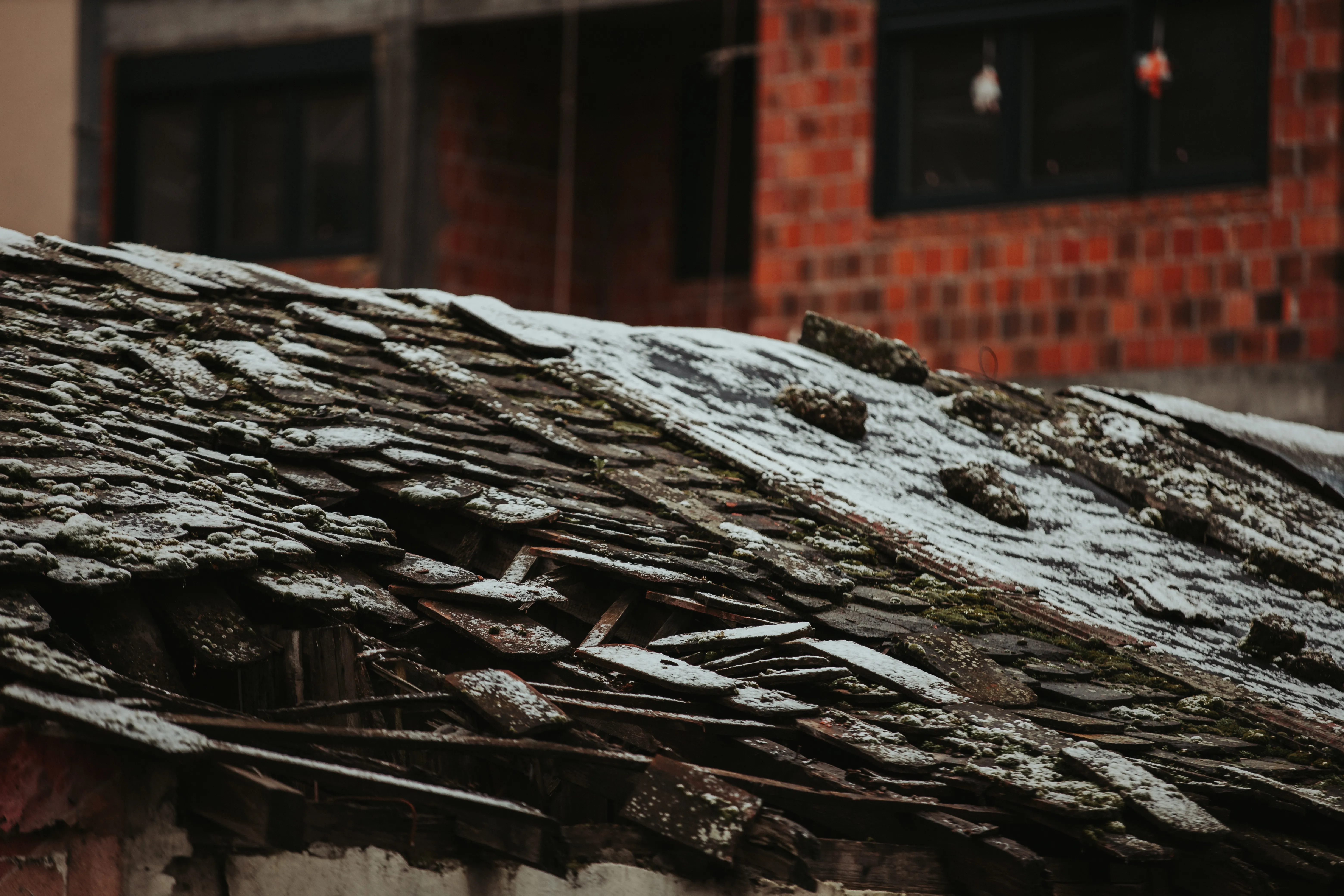
 Storm Damage Guide
A roof leak after a storm in New York is one of the most stressful things a homeowner can deal with. Water stains on the ceiling, drips hitting the floor, or wet insulation in the attic all point to the same problem: your roof assembly has a failure point that the storm exposed. What most New York homeowners don't realize is that the storm itself rarely causes the failure — it reveals a weakness that was already developing. Deteriorated flashing, cracked shingles, failed pipe boot seals, and clogged gutters that back water up under the drip edge are the real culprits. The storm provides the water volume that finally overwhelms them. Understanding why your New York roof is leaking — and where the water is actually entering — is the first step toward a repair that holds. This guide covers the most common storm-related roof leak causes in New York, how to tell where water is getting in, and what your next steps should be.
The Most Common Entry Points on New York Roofs After a Storm
The majority of storm-related roof leaks in New York enter at specific weak points in the roof system — not through the field of the shingles themselves. Flashing failures are the most common: the metal that seals the junction between the roof surface and vertical elements — chimneys, dormer walls, skylights, and plumbing vents — is the most vulnerable part of any roof assembly. When flashing is old, improperly installed, or has pulled away from the vertical surface, wind-driven rain enters the gap during a storm and runs down the wall cavity or through the ceiling below. Ice dams — formed in New York winters when heat escaping through the roof deck melts snow that refreezes at the cold eaves — also allow water to back up under shingles and enter the structure. After any significant storm, these locations should be the first places inspected.
How to Tell Where the Water Is Actually Coming From
Water is deceptive inside a roof assembly. The stain you see on the ceiling may be several feet from where the water entered the roof. Water follows the path of least resistance — running along rafters, pooling at the top plate, or traveling along a pipe before dripping at a low point. When you see a ceiling stain after a storm, don't assume the leak is directly above the stain. In an attic, trace the wet trail back toward the ridge to find where water is entering the sheathing. Common misdirection points include valley intersections — where two roof planes meet — chimney saddles, and areas where skylights or solar panels penetrate the roof. A professional inspection identifies the actual entry point rather than just the symptom location.
What to Do Immediately After a Roof Leak in New York
The first priority after discovering a roof leak in New York is to protect the interior from further water damage while the repair is arranged. Place containers to catch drips and protect flooring. If water is pooling above a finished ceiling, consider making a small drainage hole at the lowest point of the bulge to direct water into a container — preventing the ceiling from collapsing under water weight. Move furniture, electronics, and valuables out of the affected area. In the attic, check for wet insulation — saturated fiberglass insulation loses its R-value and should be removed and replaced after the roof is repaired. Document all damage with photos and video before cleanup, as this documentation is required for any homeowner's insurance claim related to storm damage.
Call our 24/7 emergency line at (914) 652-3315 for same-day tarping and triage anywhere in New York. We respond within 2 hours.
When a Storm Roof Repair Becomes a Full Replacement in New York
Not every storm-related roof leak in New York requires a full replacement. When the leak is isolated to a failed flashing, a cracked pipe boot, or a small area of damaged shingles, targeted repair is appropriate. However, if the storm revealed leaks at multiple locations, if the shingles show widespread granule loss or brittleness, or if the decking below the damaged area shows signs of rot or moisture damage from previous leaks, a full replacement may be more cost-effective than continued repair. New York's climate — with freeze-thaw cycling, ice dams, and storm exposure — is hard on aging roofing systems. A licensed inspection after a storm gives you an honest assessment of whether repair or replacement is the right call for your specific New York property.
Frequently Asked Questions
How quickly does a roof leak cause damage inside a New York home?
Will my homeowner's insurance cover a roof leak after a storm in New York?
Why does my New York roof only leak during certain storms and not others?
Can I temporarily stop a roof leak in New York until a contractor arrives?
How long does a roof repair take after storm damage in New York?
Got a Roof Leak in New York?
We provide free written estimates and 24/7 emergency response anywhere in New York. Licensed, insured, and BBB accredited.